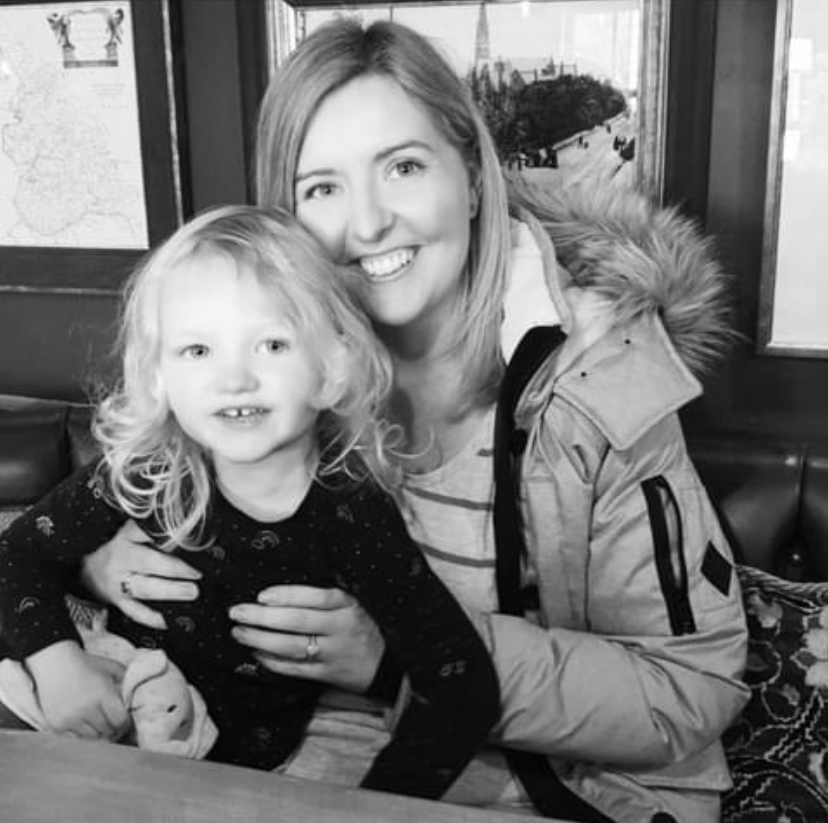
Sherri Ann Cutrona lived for many years with severe health problems following nasal surgery involving laser reduction of the inferior turbinates. Her experience provides a deeply personal account of the symptoms, medical consultations, treatments and complications she associated with Empty Nose Syndrome (ENS).
This page brings together her story, video material, medical experiences and information she shared with the Empty Nose Syndrome community. It is preserved to raise awareness of the potential long-term consequences that some patients report following turbinate reduction, turbinectomy and other forms of nasal surgery.
Video about Sherri Ann Cutrona's experience with Empty Nose Syndrome following turbinate surgery.
Sherri Ann Cutrona's Experience With Empty Nose Syndrome
Sherri Ann Cutrona lived in Manchester Township, New Jersey, USA. She was born around 1962–1963 and passed away on July 16, 2020, at the age of 57.
Originally from Hackensack, New Jersey, she had also lived in Brick before moving to Manchester Township. She worked as an engineer for Heyco Products in Toms River before retiring.
Sherri was active in the Tracheobronchomalacia (TBM) Support Group and the Empty Nose Syndrome Awareness community. Outside her health struggles, she enjoyed dancing, cooking, sewing and cruises.

Empty Nose Syndrome After Laser Turbinate Reduction
Sherri described a long and difficult medical journey involving symptoms she attributed to surgery on her inferior turbinates. She eventually came to understand her problems in the context of Empty Nose Syndrome (ENS), a condition reported by some patients after excessive alteration or loss of turbinate tissue.
According to information Sherri shared, the original procedure involved laser turbinate reduction. She later reported being told that approximately 50% of her inferior turbinate tissue had been reduced or removed.
Consultation With Dr. Oren Friedman
Sherri consulted Dr. Oren Friedman at Penn in Philadelphia. According to her account, he confirmed the diagnosis of Empty Nose Syndrome. She reported that treatment options offered at the time included Premarin cream, antibiotic ointment and nasal oil ordered from the Mayo Clinic.
Sherri left the consultation disappointed because she felt there were few treatment options available to address the severity of her symptoms.
Loss of Inferior Turbinate Tissue
During another consultation, this time by telephone with Dr. Das, Sherri reported being told that approximately 50% of her inferior turbinates had been removed or reduced.
She described Dr. Das as compassionate and knowledgeable about her complex medical situation, which she found particularly meaningful after years in which she often felt that her symptoms were poorly understood.
Severe Symptoms and Declining Health
In messages shared with other patients, Sherri repeatedly described the enormous impact her health problems had on everyday life. She wrote about severe dryness, chronic respiratory problems, sleep difficulties and the emotional burden of living with persistent symptoms.
At one stage she had a port installed to facilitate IVIG infusions because of problems with her veins. She described decades of declining health following the turbinate surgery and expressed how exhausting it was to live with multiple chronic symptoms.
One of the most striking descriptions concerned nasal dryness. Even after undergoing implant treatment, she continued to describe her nose as extremely dry — in her own words, "desert dry."
Severe Sleep Problems
Sherri also reported profound problems with sleep. In communication with another patient, she described the deterioration in sleep as beginning after her sinus surgeries and becoming a persistent part of her illness.
Sleep disturbance is one of the symptoms frequently described by patients with severe Empty Nose Syndrome, alongside abnormal breathing sensation, nasal dryness, air hunger and impaired quality of life.
Nasal Implants and Attempts to Treat Empty Nose Syndrome
Sherri continued looking for treatments that might improve her symptoms. She asked other ENS patients about their experiences with nasal implants, including patients treated by Dr. Jayakar Nayak.
She ultimately underwent an implant procedure intended to restore volume inside the nasal cavity following loss of turbinate tissue. According to Sherri, the implants were performed by Dr. Overdevst.
Approximately four months after the procedure, however, she reported that she had experienced no meaningful improvement.
She also investigated other possible approaches, including stem-cell treatment, and continued seeking additional medical opinions. A Computational Fluid Dynamics (CFD) analysis of her nasal airflow was also performed before the implant procedure.
Respiratory Disease and Other Medical Complications
Sherri had a complicated medical history that extended beyond Empty Nose Syndrome. She described years of chronic sinus and respiratory infections as well as severe asthma, GERD/reflux, IgG deficiency, sleep apnea, allergies and irritable bowel syndrome.
She later developed serious problems involving collapse of the trachea and main bronchus and underwent major surgery involving mesh support. According to her account, physicians considered several possible contributing factors, including chronic infections, occupational exposure to burning plastics, prolonged steroid use and her broader respiratory history.
Because several different medical conditions and exposures were present, it is important not to attribute all of these complications to Empty Nose Syndrome alone. Her history nevertheless illustrates how medically complex the lives of severely affected patients can become.
Nasal Function, Dryness and Respiratory Health
The nasal turbinates are not simply structures that obstruct airflow. They contribute to the normal conditioning of inspired air by helping regulate airflow and supporting warming, humidification and filtration within the nasal cavity.
Nasal mucosa also participates in the production of nitric oxide (NO), a molecule with several physiological functions in the respiratory system.
For patients who develop severe dryness or altered airflow following nasal surgery, these normal nasal functions are therefore relevant areas for further clinical and scientific investigation. However, Sherri's recurrent infections and later respiratory disease cannot be conclusively attributed to ENS from the information available here.
Living for Years With Undiagnosed Empty Nose Syndrome
One of the most important aspects of Sherri Ann Cutrona's story is how long she lived without understanding that her symptoms might be connected to the earlier turbinate surgery.
As the years passed, she described worsening symptoms and eventually learned that a substantial amount of turbinate tissue had been lost following the earlier laser procedure.
Her experience reflects a recurring problem reported within the ENS community: patients may experience paradoxical nasal obstruction, excessive openness, dryness, disturbed airflow sensation, air hunger and sleep problems even though the anatomical nasal airway appears unusually open.
Sherri Ann Cutrona's Final Years
Despite years of severe illness, Sherri continued searching for answers and treatments. She communicated with other patients, investigated surgical reconstruction, considered experimental approaches and sought additional specialist opinions.
Sherri Ann Cutrona passed away on July 16, 2020, at the age of 57. Available community accounts indicate that she was suffering from another serious lung infection around the time of her death, although this page does not independently establish the medical cause of death.
She is survived by her two sons, Cory J. Speiser and Shane C. Speiser, as well as other family members. Her final wish was reportedly to have her ashes scattered at sea.

Why Sherri Ann Cutrona's Story Matters
Sherri's experience illustrates the profound effect that severe chronic nasal and respiratory symptoms can have on quality of life. It also highlights the importance of preserving normal turbinate function whenever possible and of ensuring that patients considering nasal surgery receive balanced information about both expected benefits and potential complications.
Her story is especially relevant to discussions about Empty Nose Syndrome after turbinate reduction, laser turbinate surgery, turbinectomy, septoplasty and other nasal procedures.
Individual patient stories cannot by themselves establish medical causation. They can, however, identify important clinical questions, document patient experiences and help encourage further research into uncommon but potentially serious postoperative conditions such as Empty Nose Syndrome.
- Empty Nose Syndrome (ENS)
- Laser turbinate reduction
- Inferior turbinate tissue loss
- Severe nasal dryness
- Paradoxical nasal obstruction
- Sleep disturbance after nasal surgery
- Nasal implants for Empty Nose Syndrome
- CFD nasal airflow analysis
- Chronic respiratory symptoms
- Long-term complications following turbinate surgery
Original Documentation and Additional Material
Below is the collection of material gathered about Sherri Ann Cutrona and her experience. The document can be viewed directly on this page. Depending on your device, additional controls may also allow you to open, print or download the document.